Two parts that get called the same thing
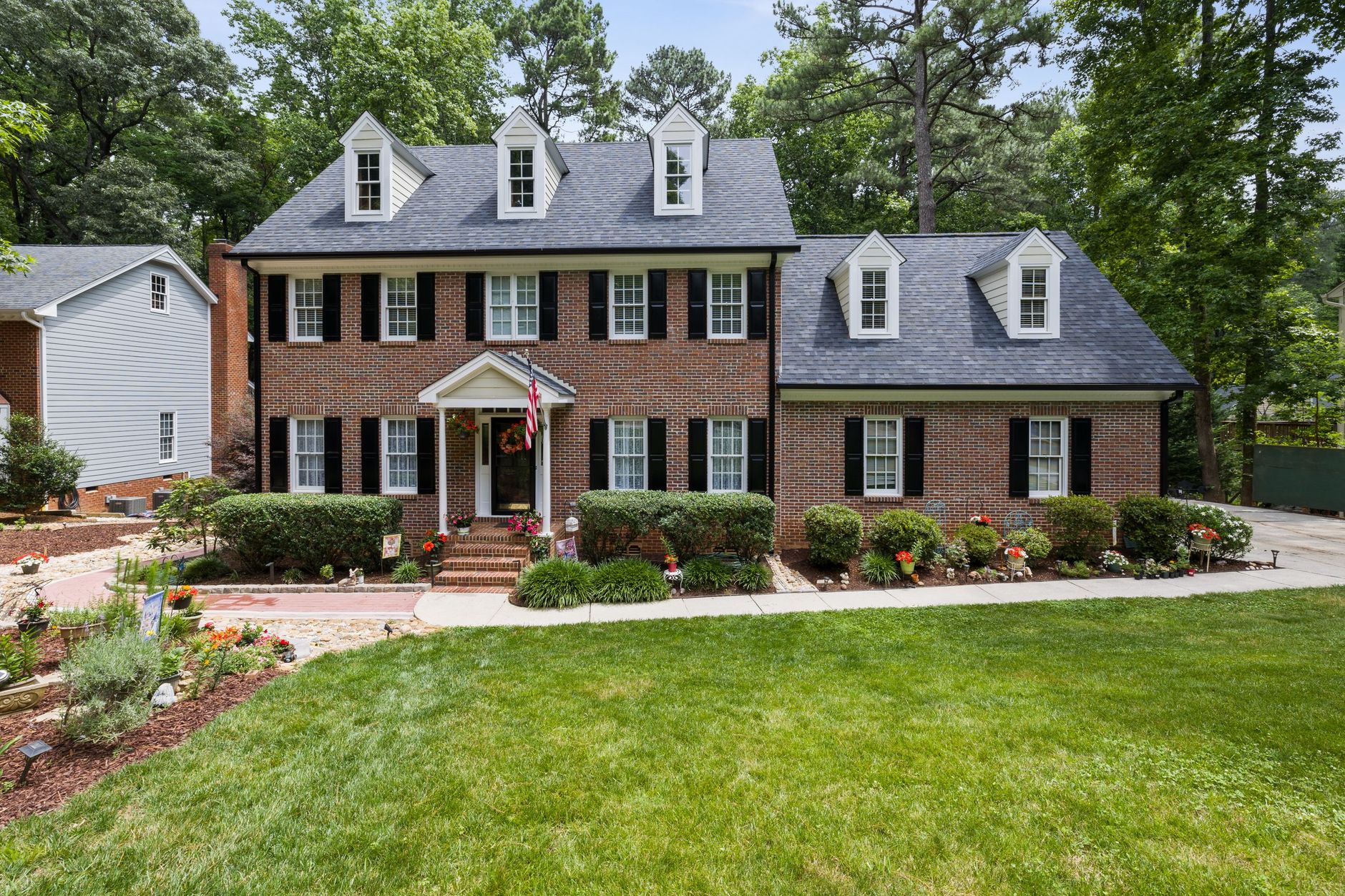
Owners in Rosemead often call us about "the chimney cap" when the part that has failed is something else. On a factory-built fireplace the chimney is usually a box framed in lumber, sided to match the house, with a metal pipe running up the middle. Two separate parts sit at the top of that box.
- The chase top is the sheet metal lid that closes the whole top of the framed box. The pipe passes up through a collar in its middle.
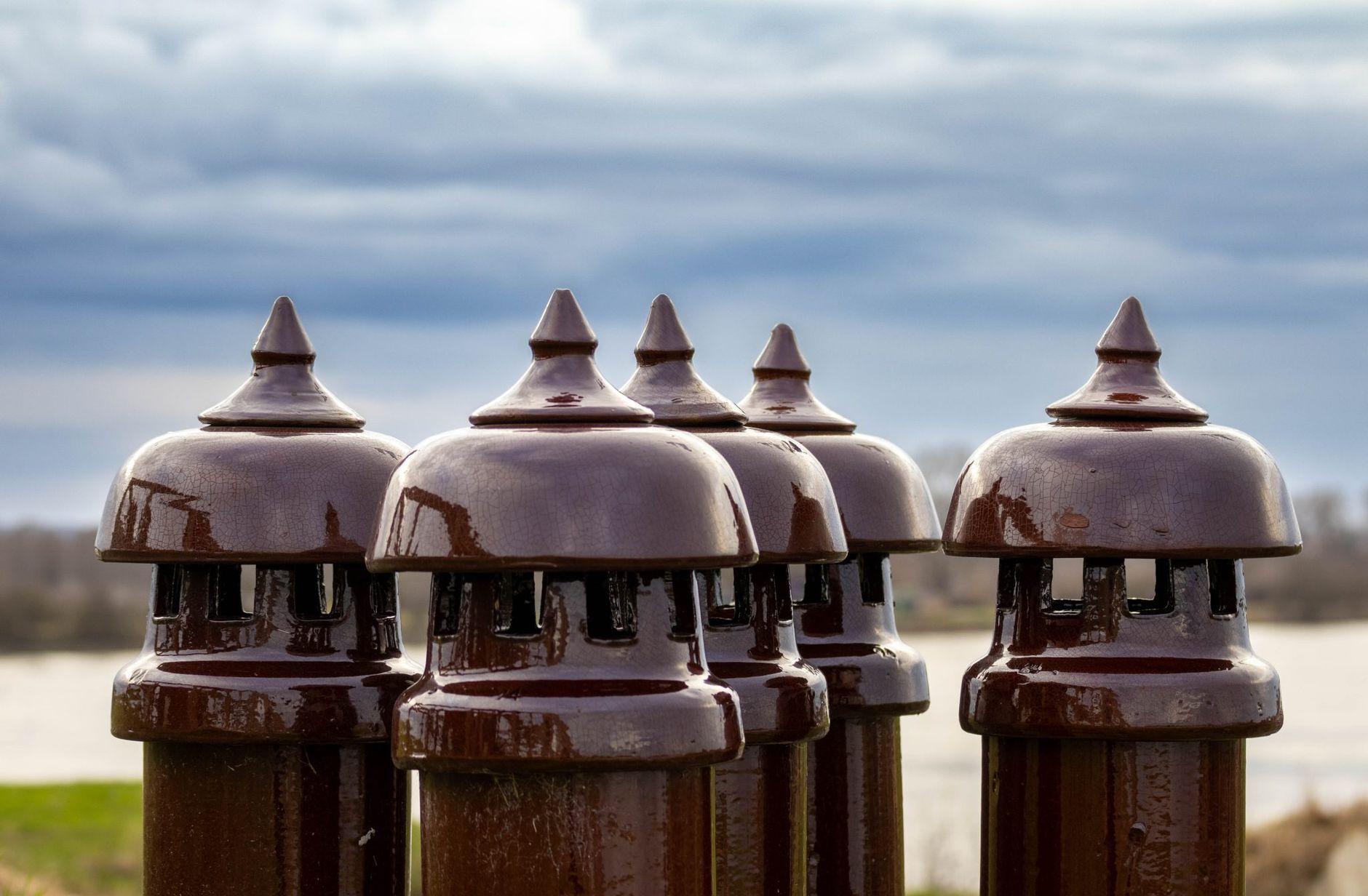
- The termination cap is the hood that sits on the end of the pipe itself, above the chase top. It belongs to the fireplace maker's system and is matched to that pipe.
A masonry chimney has only one of these. Its cap sits on the clay flue tile above the crown, and there is no lid over a framed box because there is no framed box. So the first question is which kind of chimney you have, and the second is which part is letting you down.
How each one fails
The two parts age in different ways, and the symptoms point to one or the other.
Chase tops rust and hold water. Many of the lids that went onto houses in the 1970s and 1980s were plain galvanized steel. Sun and winter rain wear through the coating, the middle sinks a little, and a shallow pool sits on it after every storm. Once rust holes open, water drips onto the framing inside the chase and can show up as a stain on the ceiling near the fireplace or as swelling in the wall. A low collar around the pipe opening lets water in the same way.
Termination caps break, clog or go missing. The cap's job is to keep rain and animals out of the pipe and stop the wind from pushing exhaust back down. Its mesh can clog with soot or leaves, its hood can be bent by a branch or a Santa Ana gust, and some have simply blown off. A missing or damaged cap shows up as rain in the firebox, birds in the pipe, or smoke that will not draw.
Which one you need
You can often tell from the ground with a pair of binoculars, without climbing anything.
- Rust streaks running down the siding from the top of the chase point to the chase top.
- A hood that is bent, tilted or gone points to the termination cap.
- Water in the firebox itself points to the cap first, because the pipe is the direct path down.
- Water in the wall or ceiling beside the fireplace points to the chase top or its collar.
On older houses it is common for both to be worn out at once, because they were fitted together when the chase was built. In that case we price them together.
What sets the price of each
The termination cap on a factory-built pipe, and the cap on a masonry flue, are quoted after we measure. Three things set the cap price: the size of the flue, the material and whether the maker's own cap is still available.
| Part | Price |
|---|---|
| Camera run to check the pipe below a missing cap (Level 2) | $385 |
| New chase top made to the measured box | written figure after measuring |
| Cap for the pipe or a masonry flue, supplied and fitted | quoted after we measure |
The chase top has no published figure because every framed box is a different size, and the lid is cut and bent to fit it, with the collar placed where the pipe actually rises. A stainless lid costs more than galvanized and lasts far longer in coastal and valley weather alike. We measure, then give you a written price for that lid before ordering it.
Why the cap must match the pipe
On a masonry chimney almost any well-made cap of the right size will do. On a factory-built system the cap is part of what was tested. A generic cap can sit at the wrong height, block part of the outlet, or let the wind push exhaust back down the pipe in a way the maker never allowed for. If the original cap is still made, we fit that. If it is not, we fit one that its maker lists for that pipe, and we say on the quote which it is.
The same goes for the storm collar, the small ring that sheds water off the pipe where it passes through the chase top. It is cheap and easy to forget, and a missing one is a common source of a slow leak.
When the damage has already spread
If water has been getting in for a while, a new lid or cap may not be the whole job. The framing under a rusted chase top can be soft, the insulation wet, and the top section of pipe stained or corroded. We look at all of that on the visit. Wet framing is a carpentry repair under the new lid; corroded pipe means a replacement section from the same maker. Both go on the written quote as separate lines so you can see what is driving the total. Our post on leaks around a framed chase covers that side in more detail.
Booking the work
What decides the price here is which of the two parts has failed and, for the chase top, the size of the box. Use the quote form with the address, a note on how the chimney top looks from your yard, and where any water is showing inside. We call back to set a visit to measure and look at both parts.
Our chimney cap page and chase cover page describe the two jobs on their own.
Before the rains
Both parts are far cheaper to replace than the framing they protect. If the top of your chimney in Rosemead, San Gabriel, Arcadia or West Covina has gone rusty or lost its hood, reach us through the contact page and we will look at both while we are up there.
Want This Looked at on Your Own Fireplace?
Whitfield Chimney Experts reads the label plate, checks the unit against its listing and writes the figure before any part is ordered. We work from Rosemead across San Gabriel, Arcadia, West Covina and the cities around them.