The wrong trade for the job
A factory-built fireplace sits between three trades, and none of them owns it by default. A mason sees a brick face and assumes brick behind it. A handyman sees a sheet metal box and assumes any sheet metal will do. A roofer sees a pipe through the roof and treats it like a vent. Each of them can leave a prefab unit in worse shape than they found it, without meaning to.
The unit was built and listed by its maker as a set of matching parts. Whoever works on it has to know that and work to it. Here is what we would want to hear from any company before letting it near one, ours included, and how we answer each point for owners in Rosemead and the towns around it.
What they read before they quote
The first thing a competent visit does on a prefab unit is find the label plate. It is a small metal tag, often on a side wall just inside the opening, or behind the lower louver. It gives the maker, the model, and the listing the unit was tested under. Without it, nobody knows which panels, doors, damper parts, pipe or cap belong on that box.
Ask the company whether they read the plate before naming a repair. If the answer is a price over the phone for "a new firebox panel" without a model number, the part that shows up may not be the right one.
We read the plate on every visit and write the maker and model into the report, so the next person who works on the fireplace has it too.
Where the parts come from
Ask where replacement parts are sourced. The right answer is the original maker, or a supplier that sells parts listed as substitutes for that model. A wrong answer is "we make them up in the shop" or "a panel is a panel".
This matters most on three parts:
- Refractory panels, which are shaped and sized for one firebox and hold the steel behind them back from direct flame.
- Pipe sections, which must be the same make and type as the run they join. Mixing brands breaks the listing even when the pieces look like they fit.
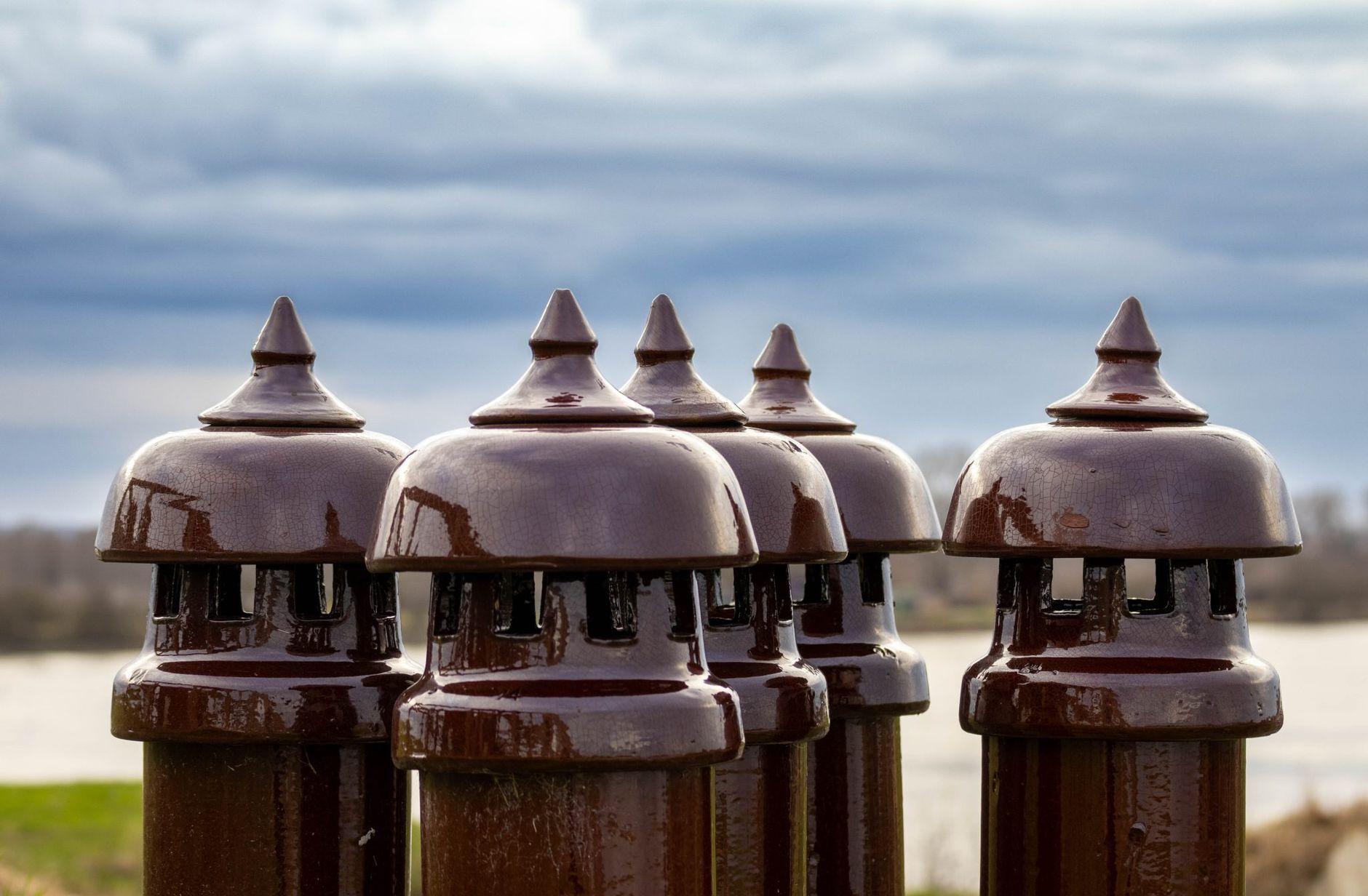
- The termination cap, which on a factory-built system is matched to the pipe below it and tested with it.
When a part is no longer made, the company should say so and lay out the options, not quietly substitute.
What they will and will not do
A useful test is to ask what the company refuses to do on a prefab unit. You want a short, firm list. Ours:
- No masonry patching inside a metal firebox.
- No pipe from one maker joined to pipe from another.
- No doors, grates or gas log sets that the unit's listing does not allow.
- No sealing compounds used to hide a crack in a panel that should be replaced.
A company with no such list is likely to say yes to anything, and that is how a listed fireplace becomes an unlisted one.
What you get in writing
Before any work, you should have a written scope that names the part, the model it is for and the price. After an inspection, you should have a report with photos of each finding and plain wording about what it means. Our reports put the maker and model at the top, then go through the firebox, damper, doors, pipe and chase top in that order, each with a photo and one of three verdicts: sound, watch it, or repair before use.
If you are buying or selling, the report also states which inspection level was done. That matters for the paperwork, and we cover it in our post for sellers.
How the prices compare
Asking for prices up front is fair. A company that publishes its common prices is easier to compare than one that names a figure only after a visit. Ours, as they stand on this site:
| Visit | Price |
|---|---|
| Level 1, the visual check of everything reachable | $54 |
| Level 2, adding the recorded camera run and a look in hidden spaces | $385 |
| Sweep of the firebox and pipe | from $415 |
Repairs to parts are priced per job, because the part and its availability change from one model to the next. Our prefab repair pricing post sets out which jobs have a published figure and which do not.
Picking the first visit
Which visit to book depends on why you are calling. If the fireplace has been used each winter with no trouble and you want it checked, a Level 1 covers it. If it has sat unused for years, if the house is being sold, or if something has happened to it such as a strong quake or a chimney fire, the camera run is the right start. If something has already failed, book a repair visit and we inspect the rest of the unit while we are there.
Use the quote form with the address, the reason you are calling, and the maker and model if the plate is easy to read. We call back with the visit that fits and its price.
Areas we cover
We work from Rosemead across San Gabriel, Arcadia, West Covina and the surrounding cities. Prefab units turn up in houses of every age here, often in additions and remodels where a brick chimney was never built. Our fireplace inspection page has more on what a visit looks at.
Ready to book
If you have a metal firebox and want it looked at by people who read the plate first, send the details through our contact page and we will set a time that suits you.
Want This Looked at on Your Own Fireplace?
Whitfield Chimney Experts reads the label plate, checks the unit against its listing and writes the figure before any part is ordered. We work from Rosemead across San Gabriel, Arcadia, West Covina and the cities around them.